Industrial & Plant Noise Assessments (BS 4142)

Noise Impact Assessments for Planning Development

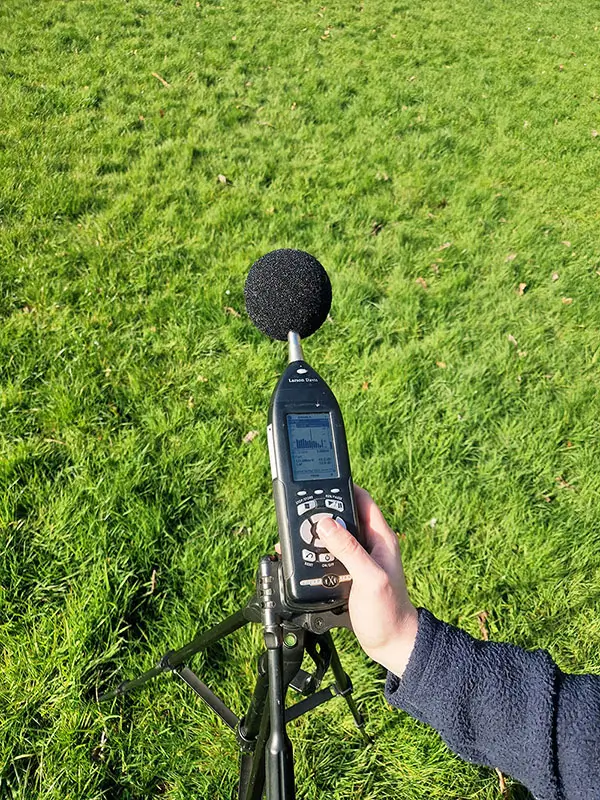
Whether you are installing a new commercial kitchen extraction system, an air source heat pump, or managing a large-scale industrial facility, controlling noise impact is essential for both planning compliance and neighbour relations. I provide expert BS 4142 Noise Surveys across Essex, helping businesses and developers quantify and mitigate the impact of industrial sound.

As an acoustic consultant, I understand that “industrial noise” isn’t just about volume—it’s about the character of the sound. I personally conduct every plant noise assessment, ensuring that specific features like tonality or intermittency are accurately measured and accounted for in your final report.

Expert BS 4142 Surveys in Essex

I work closely with business owners in hubs like BraintreeHarlow, and Chelmsford to ensure their mechanical plant meets local authority noise criteria. My reports are designed to be technically rigorous yet easy for planning officers to navigate, facilitating a smoother approval process for your project.

In every assessment I produce, I ensure my findings align strictly with the core pillars of UK noise policy. This technical rigour provides a robust case for your project, directly addressing the criteria that Local Planning Authorities in Essex use to make their decisions.

National Policy & Standards

My reports are built on a foundation of national standards to ensure your project is compliant from the outset:

  • Noise Policy Statement for England (NPSE): I use this to identify and manage ‘Effect Levels.’ My goal is to ensure your project avoids SOAEL (Significant Observed Adverse Effect Levels) by mitigating noise to the lowest functional level.
  • BS 4142:2014+A1:2019: When dealing with mechanical plant—such as kitchen extraction systems, air conditioning units, or factory machinery—a standard noise survey is rarely enough. Local authorities usually require a specific BS 4142:2014+A1:2019 assessment to determine the impact on nearby residents.

 

  • Call me

Meeting Planning Practice Guidance (PPG)

To support the NPPF, I look specifically at the requirements set out in the Planning Practice Guidance (PPG). My assessments are specifically structured to answer the three core questions stipulated by the 2019 guidance:

  1. Is a significant adverse effect likely? I provide the technical data to determine if noise levels will cross the “unacceptable” threshold.
  2. Is an adverse effect occurring? I identify potential impacts on quality of life and provide the necessary mitigation to reduce them.
  3. Can a high standard of amenity be achieved? I offer expert advice on glazing, ventilation, and site layout to ensure a high-quality living or working environment for future occupants.


  • Call me

Why a BS 4142 Assessment is Unique

Unlike general noise monitoring, a BS 4142 survey compares the “Rating Level” of the new noise source against the existing Background Sound Level (LA90). As your consultant, I perform a detailed analysis to ensure your equipment is compliant:

  • Establishing the Background Baseline: I conduct precise measurements of the existing sound environment during the quietest periods of operation (often at night) to ensure the comparison is fair and robust.
  • Acoustic Character Corrections: Noise isn’t just about volume. It’s how the “character” of the sound is perceived. Key points are identifying tonality (whining/humming), impulsivity (banging/clattering), or intermittency. I apply the correct decibel penalties (corrections) to ensure the report stands up to council scrutiny.
  • Plant Noise Mitigation: If the “Rating Level” exceeds the background level, I provide specific engineering solutions. This includes specifying acoustic silencers, designing enclosures, or suggesting vibration isolation to reduce structure-borne noise.


  • Call me

Why do you need a BS 4142 Assessment?

Most local councils require a Plant Noise Impact Assessment before granting permission for new mechanical equipment. This is to ensure that the “Rating Level” of the new noise source does not exceed the existing background sound level (LA90) at the nearest noise-sensitive premises (usually the closest residential window).

I provide detailed advice on:

  • Atmospheric Silencers and Acoustic Enclosures: Specifying the correct level of attenuation needed to achieve appropriate sound levels.
  • Screening and Barriers: Calculating the effectiveness of acoustic fencing or walls.
  • Operational Hours: Suggesting timing restrictions to minimize night-time impact.

To ensure these mitigation measures are as cost-effective and accurate as possible, I often utilize 3D Noise Modelling. This allows me to simulate how noise from your plant will propagate across the site and precisely calculate the height of barriers or the performance of silencers before they are installed.

Learn more about how I use 3D Sound Propagation Modelling for complex industrial and residential sites.

  • Call me

Meeting Planning Practice Guidance (PPG)

To support the NPPF, I look specifically at the requirements set out in the Planning Practice Guidance (PPG). My assessments are specifically structured to answer the three core questions stipulated by the 2019 guidance:

  1. Is a significant adverse effect likely? I provide the technical data to determine if noise levels will cross the “unacceptable” threshold.
  2. Is an adverse effect occurring? I identify potential impacts on quality of life and provide the necessary mitigation to reduce them.
  3. Can a high standard of amenity be achieved? I offer expert advice on glazing, ventilation, and site layout to ensure a high-quality living or working environment for future occupants.


Whether you are a restaurant in Ipswich needing sign-off for a new extract flue, or a developer in Stevenage installing air source heat pumps, I provide the technical data required to discharge your planning conditions. My reports clearly demonstrate what “impact” rating you are likely to achieve and any measures to help secure the lowest impact on nearby noise sensitive receptors.

  • Call me